The institute was established with the objective of providing livelihood skills to youth from rural parts of Maharashtra, enabling them to earn a sustainable income, support their families, and create wealth. The founders bring over 35 years of combined corporate and social sector experience.

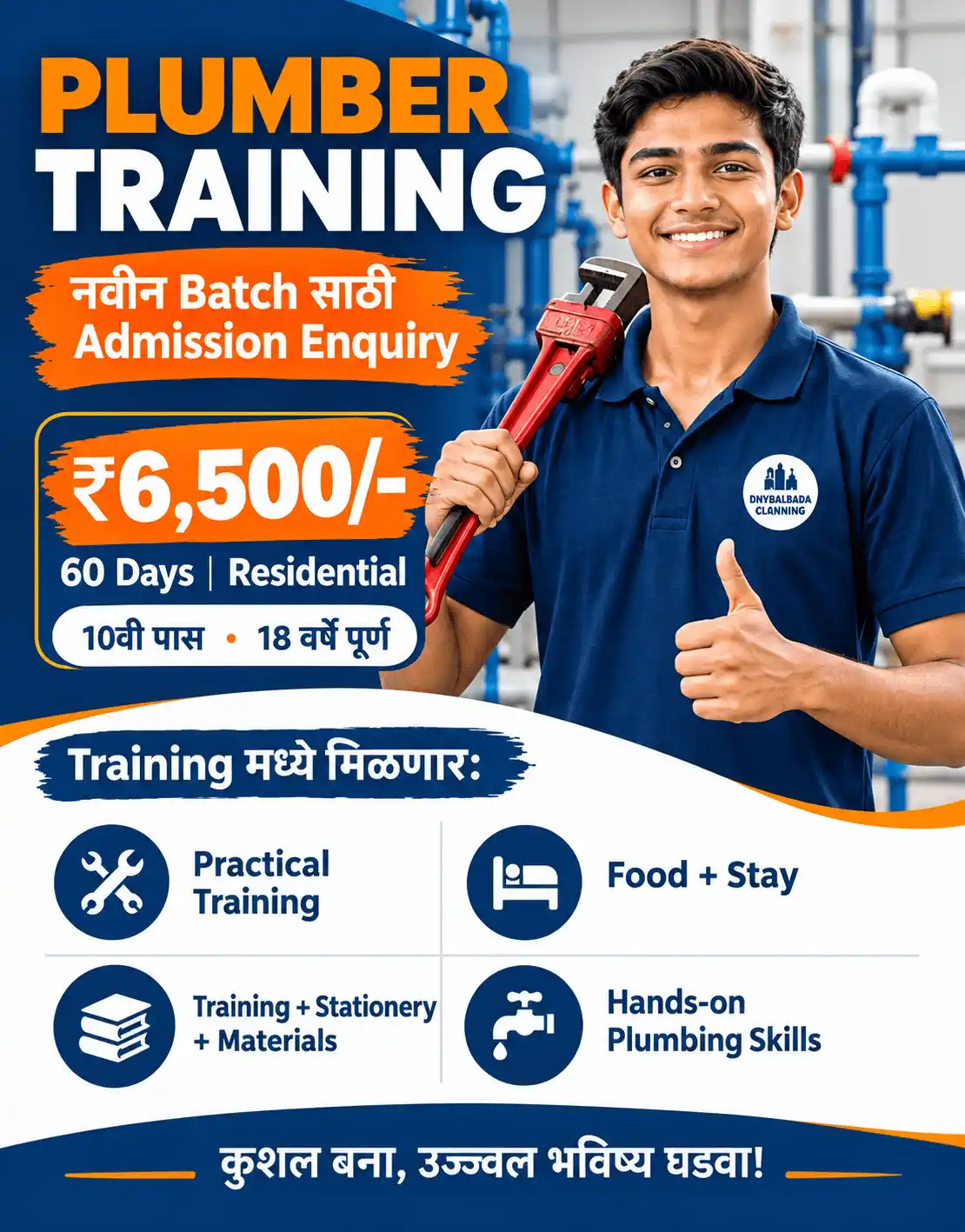
🚀 Golden Opportunity! 100% Employment Assurance | Professional Plumbing Training | Residential Program at Wagholi, Pune.

Training Cover

Training & Infrastructure

Infrastructure Framework: Dnyanada Institute of Flow Piping Technology (DIFPT)

Advanced Technical Laboratory & Equipment

To maintain its status as a Excellent vocational institute, DIFPT has built strategic corporate partnerships to equip its practical facilities with modern industry standards.

State-of-the-Art Plumbing Lab (Wagholi)

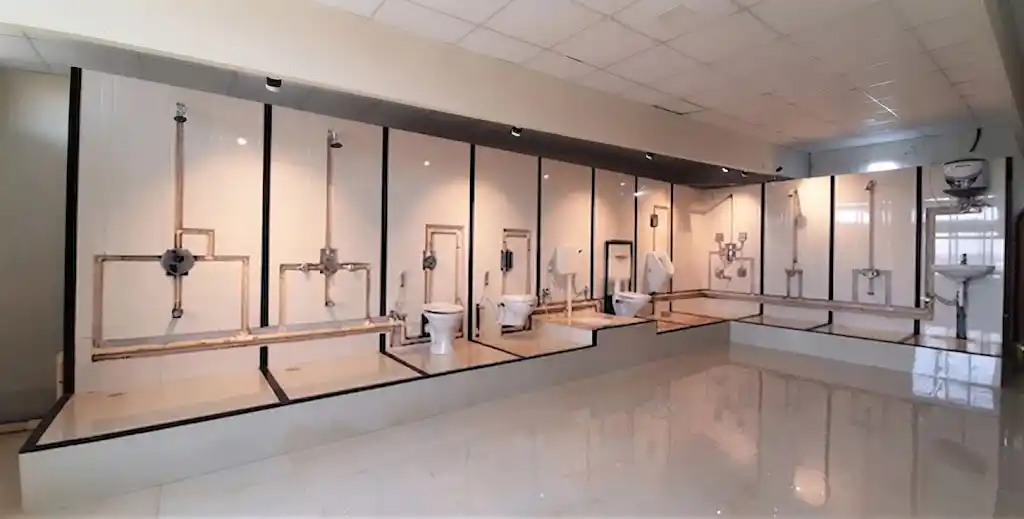
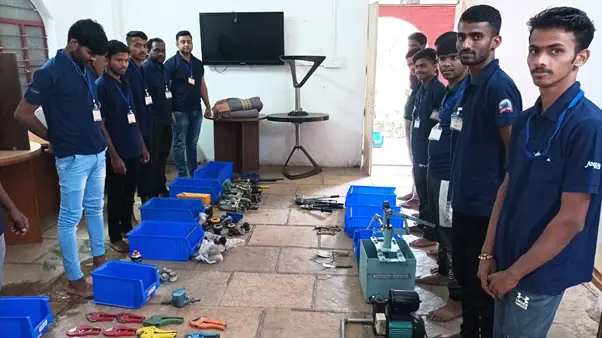
Spanning a dedicated 2000 sq. ft. specialized workshop floor, this laboratory serves as the core of practical instruction. Developed in technical collaboration with industry giants like Jaquar and Supreme Pipes, the facility exposes students to the exact commercial fixtures, advanced piping materials, and installation technologies currently demanded by the real estate and industrial construction sectors.

Simulation & Testing Rigs

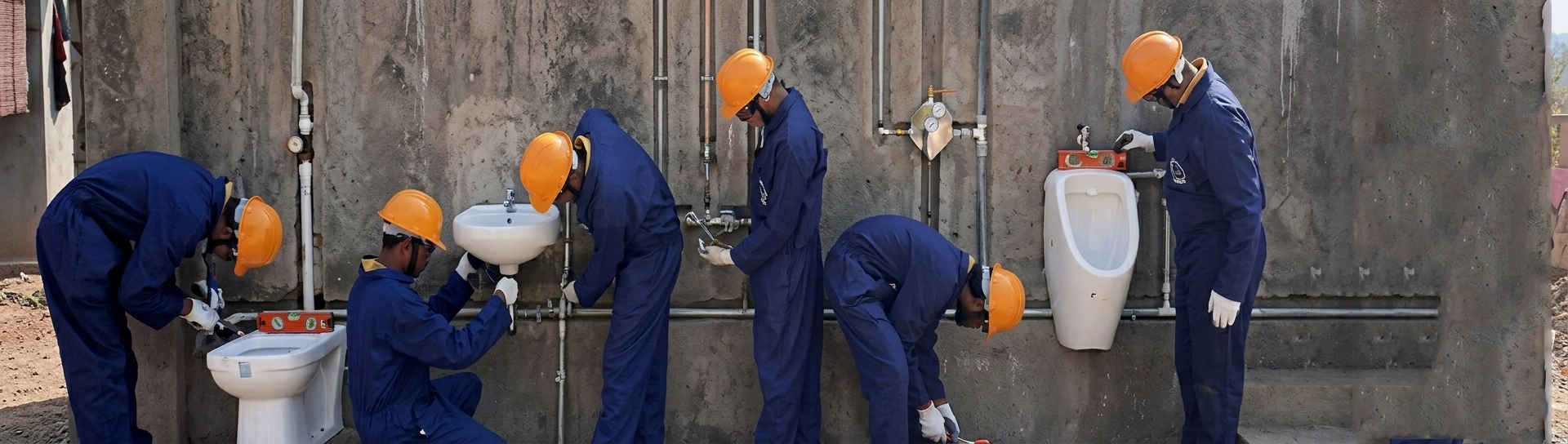
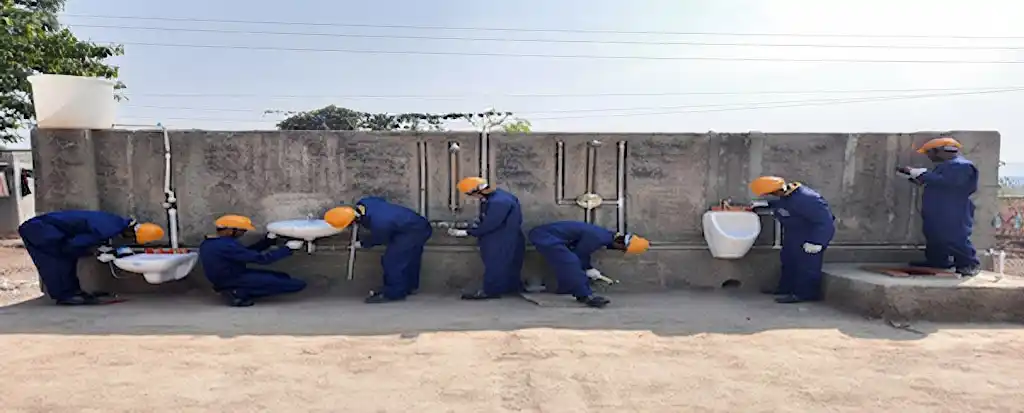
The lab features mock-up Ledge wall and pressure-testing rigs where students perform hands-on fault diagnosis, joint-fusions, pipeline layout drafting, and sanitary installation under the direct supervision of certified trainers.

DIFPT Infrastructure
Operational Administration

Operational Administration & Resource Management

Backing this physical infrastructure is a lean, technology-driven administrative framework structured to handle multi-site workflows seamlessly.

Personnel Infrastructure

Operations are sustained by a coordinated team of 15 personnel distributed across centres. This includes dedicated Mobilisation Officers stationed at rural touchpoints, five Technical Trainers overseeing the lab floors, and Centre Coordinators managing the day-to-day schedule of students and logistics.

Digital Control Systems

Site-to-site coordination, weekly batch enrolment tracking, mobilisation task pipelines, and student resource allocations are managed via an integrated, low-code mobile infrastructure platform. This keeps overhead lean and ensures transparent operational reporting.

Holistic Excellence: The DIFPT Training Methodology & Gurukul System

At the core of the Dnyanada Institute of Flow Piping Technology (DIFPT) is a distinct educational philosophy:
Technical mastery is incomplete without strong professional values and physical resilience.

To achieve this, DIFPT seamlessly fuses the rigorous precision of modern industrial plumbing with the character-building ethos of the traditional Indian Gurukul system.

Managed by a dedicated team of Expert Technical Trainers and Operations Coordinators, the instructional framework transforms rural youth into healthy, disciplined, and business-minded plumbing professionals over an intensive 60-day cycle.

Training Methodology
Gurukul System

The Gurukul System: Physical Fitness & Mental Preparation

A technician's success in the field depends heavily on their ability to handle physical labour and overcome unexpected workplace challenges. DIFPT uses the residential Gurukul environment to build students who are physically fit and mentally prepared to face adversities.

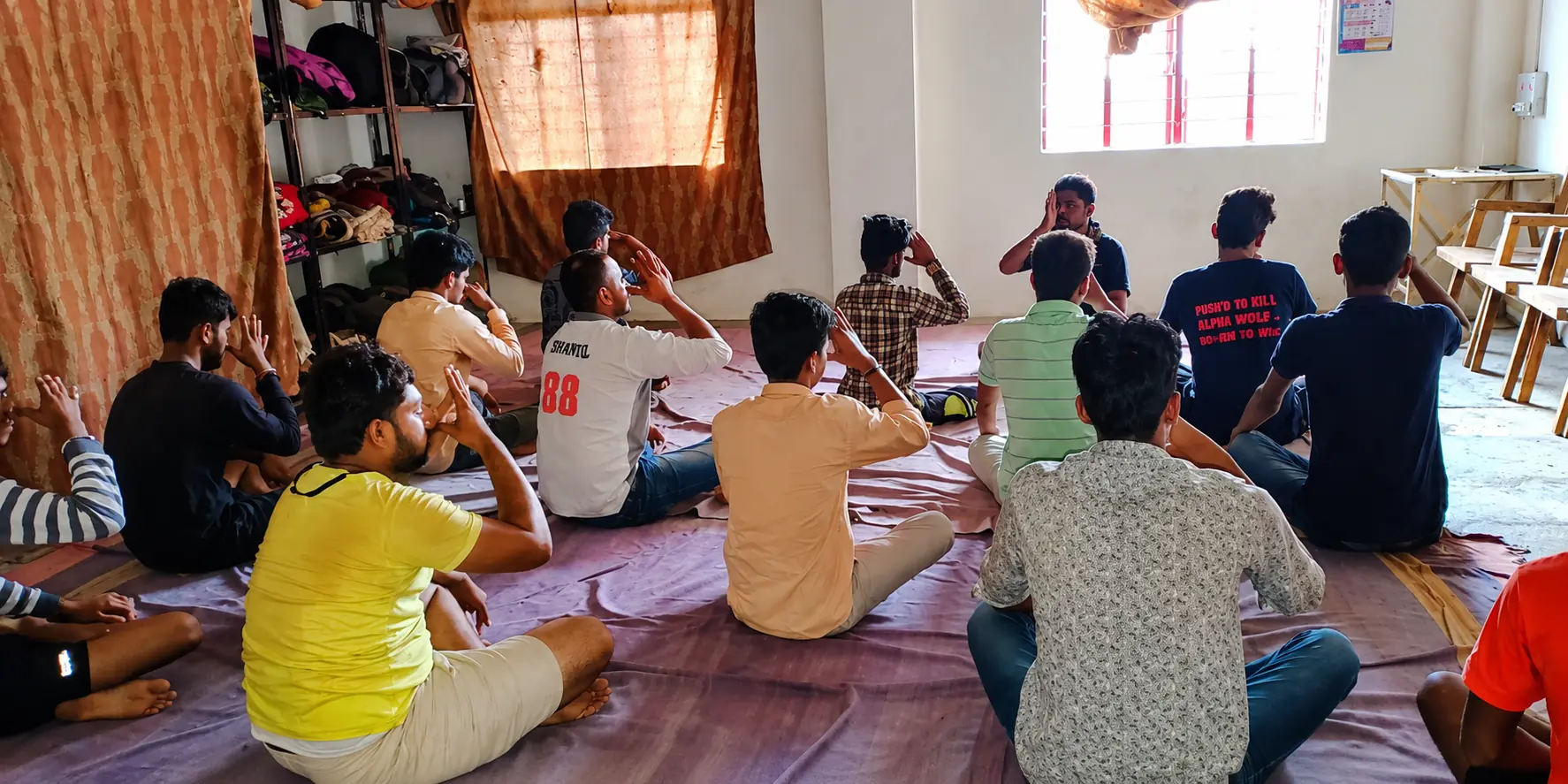
Morning Wellness Routine

Every day begins with a focus on holistic health. Students participate in structured physical exercise, Yoga, and Suryanamaskar (Sun Salutations). This morning regimen builds the physical stamina required for demanding plumbing work while sharpening mental focus and emotional balance.

Evening Recreation

To foster teamwork, release stress, and build friendship and trust among a group, students engage in evening games on the campus playground, ensuring they maintain high energy and a healthy lifestyle throughout the intensive course.

The "MILLY" Session (My Important Lessons Learnt Yesterday):

Continuous self-reflection is built directly into the daily schedule. Every single day starts with a MILLY session. Students review the previous day's successes and mistakes, actively training themselves to learn from errors, take accountability, and constantly improve their analytical thinking.

Technical Training Methodology: The Learning Pipeline

DIFPT’s curriculum is highly structured, ensuring that every theoretical concept is immediately reinforced by practical, hands-on application.

Phase A: Classroom Foundation & Micro-Evaluation

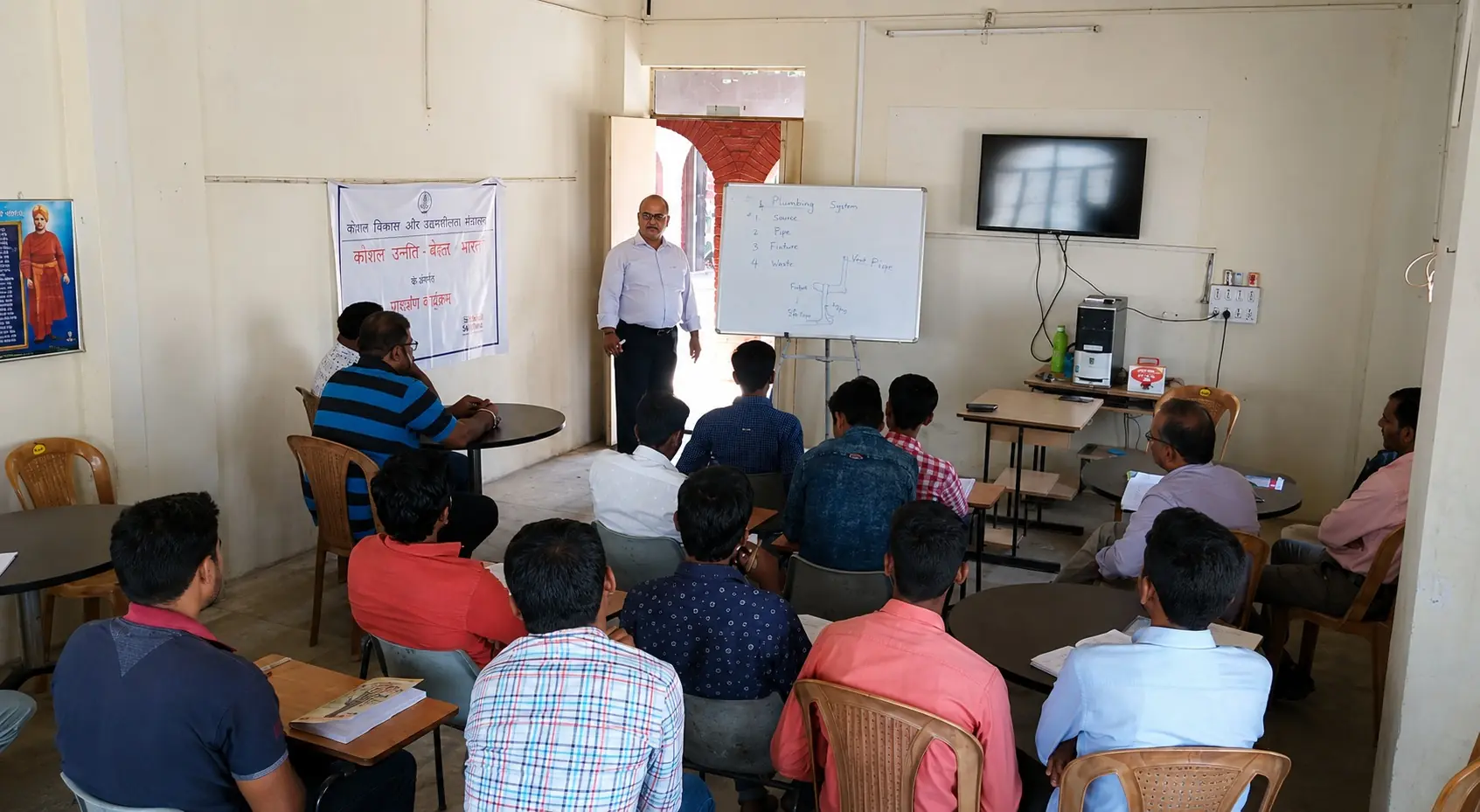
Interactive Classroom Training

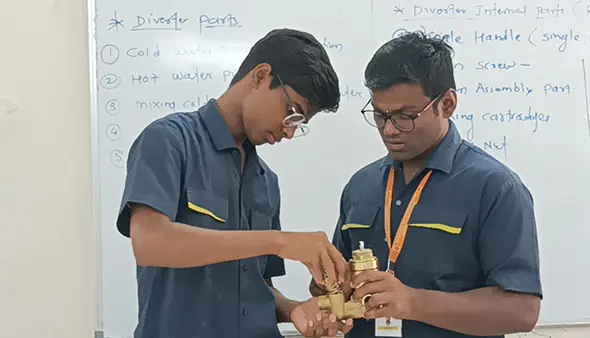
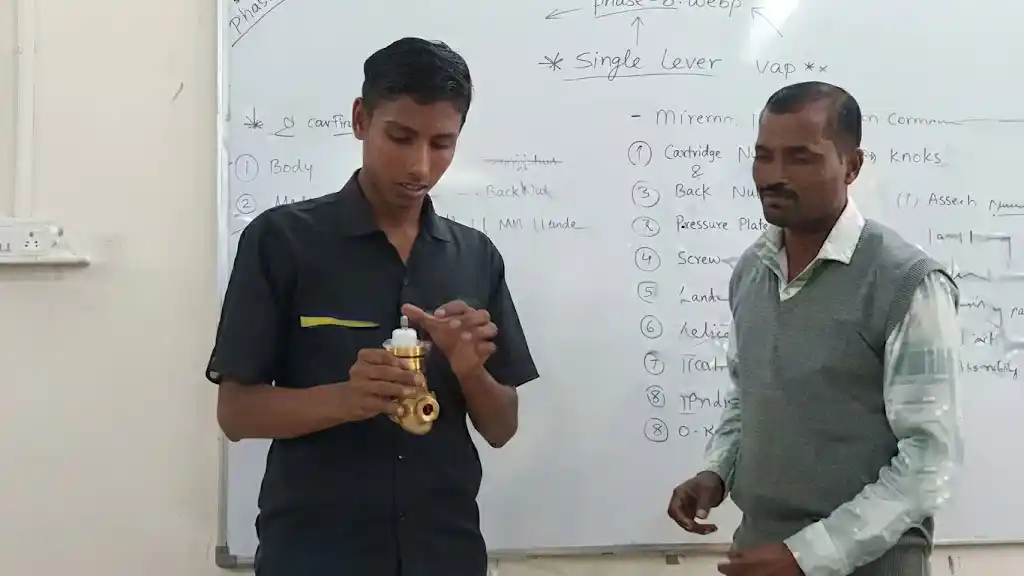
Students begin with conceptual lectures covering fluid mechanics basics, plumbing mathematics, blueprint reading, and safety protocols.

Continuous Assessment

To ensure no student falls behind, the faculty conducts formal tests and evaluations after every single chapter. This data-driven approach allows trainers to identify and support students needing extra attention before they move to the lab floor.

Material Identification & Handling

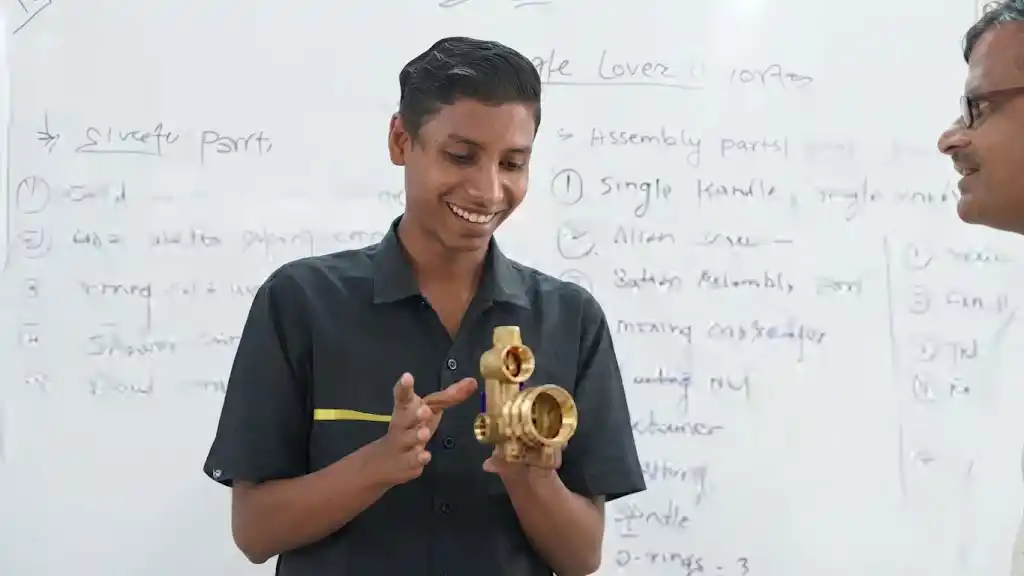
Early in the cycle, students learn the tactile and technical properties of modern plumbing materials (such as CPVC, UPVC, PEX, and composite piping), understanding exactly how raw materials behave under different conditions.

View More

Phase B: Simulated Infrastructure & Practical Mastery

Store Room Procurement & Tool Room Handling

To simulate an authentic industrial workplace, students must actively interact with the campus tool and store rooms. They are trained in tool maintenance, inventory management, and the proper procedure for procuring parts against a bill of materials (BOM).

Ledge Wall Project Installations

The crown jewel of the practical training is the specialized ledge wall infrastructure. Students build complex, full-scale plumbing networks on vertical mock-up walls. They route lines, install high-end sanitary fixtures, and troubleshoot spatial constraints in real-time.

Rigorous Testing & Evaluation

Once a ledge wall project is assembled, it undergoes pressure and leak testing. Students are evaluated on alignment, structural integrity, joint strength, and execution speed.

[Morning Yoga] ➔ [Daily Session] ➔ [Lab Installs] ➔ [Evening Sports]
View More
Slide 1 Slide 2 Slide 3
Industrial Exposure

Industrial Exposure & Entrepreneurial Mindset

DIFPT actively tears down the walls between the classroom and the market, training students not just to be laborers, but to think like businessmen.

Sunday Business & Soft Skills Training

Sundays are entirely dedicated to professional growth. Special lecture tracks focus on Business Skills and Soft Skills Training. Students learn how to communicate professionally with clients, calculate project estimations, manage profit margins, negotiate contracts, and understand basic financial accounting.

Site Visits

Students tour active, large-scale commercial and residential construction sites to observe industrial-scale plumbing layouts and understand coordination with structural engineers and masons.

Hardware Shop Visits

Practical market exposure is built right into the schedule. Students visit retail and wholesale hardware markets to learn about real-time material pricing, local supply chains, and how to source components efficiently for clients.

Corporate Guest Lectures

Regular seminars feature technical experts from major manufacturing and marketing firms (such as Supreme, Jaquar, and leading piping brands). These sessions expose students to the latest product launches, advanced polymer technologies, and evolving market trends directly from the industry leaders who shape them.

The DIFPT Trained Student

By the conclusion of the program, a DIFPT trainee has not just completed a technical course; they have undergone a complete personal transformation. They emerge physically resilient, technically versatile, and equipped with the entrepreneurial mindset required to launch independent plumbing businesses or lead teams on major commercial sites.

DIFPT Expansion Model 1
DIFPT Expansion Model 2

DIFPT Expansion Mode

Every living organization needs to grow. The growth has to be wider and deeper. In an effort, DIFPT leadership has developed a Model of Locational Training Centers at various locations.

Hub-and-Spoke Geographic Footprint: Locational Training Centres (LTC’s)

DIFPT’s physical infrastructure is systematically divided into decentralised mobilisation and theoretical nodes, and centralised practical residential hubs.

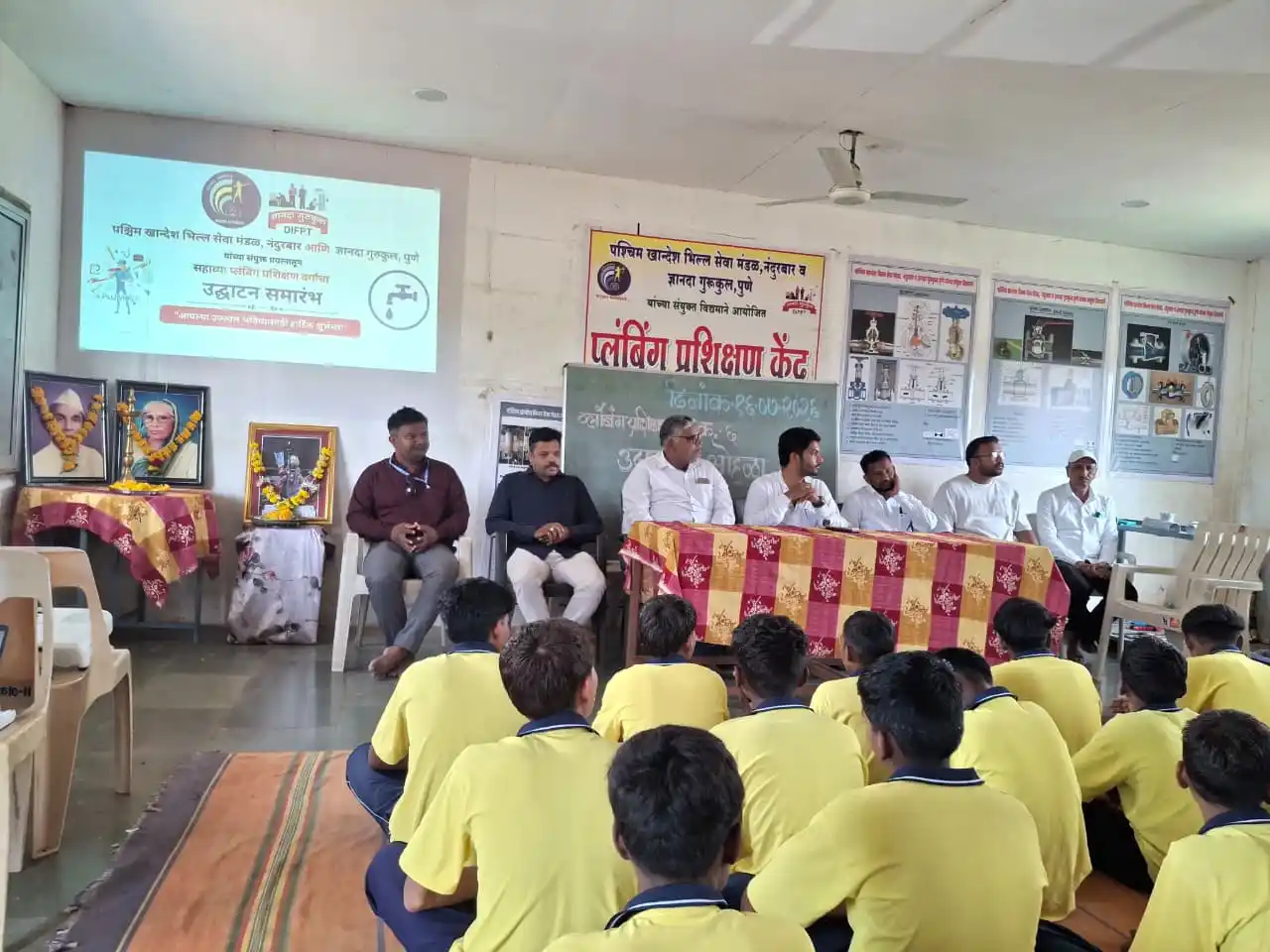
Rural Outreach & Theory Nodes (e.g., Nandurbar, Malvan, Mokhada)

These grassroots locations serve as the primary entry point for candidates. Equipped with classroom infrastructure, these centres host the
Phase 1: 30-Day Theory & Mobilization period. This allows rural youth to initiate their educational journey close to home, minimizing initial friction and building group cohesion.

Phase 2: Intensive Practical Training (Wagholi) Students transition to the central facility for Practical Training. This dedicated hub is a fully residential facility designed to simulate real-world working conditions.

Infrastructure Value Proposition

By optimizing resources—using local centres for initial recruitment and theory, and a single, corporate-backed powerhouse lab at Wagholi for execution—DIFPT achieves an incredibly efficient cost-per-student benchmark. This blend of industry-grade technology and rural accessibility defines DIFPT’s 16-year legacy of vocational impact.